Keep the OT Progress Going Over the Summer

Summer brings a welcome break from school routines, but for many families, it also raises the question: How do we keep the progress going while everything feels a little… different? If your child has been working hard in occupational therapy, summer doesn’t have to mean a setback. With the right summer OT activities for kids, you can support progress at home in fun, low-stress ways.
Below are simple, doable strategies to help your child stay on track during the summer months — plus a free Summer Skills Tracker you can download to keep things consistent!
1. Stick to a light routine
Your child doesn’t need a rigid schedule, but a predictable flow to the day helps maintain regulation, reduce meltdowns, and support follow-through. Try to keep consistent:
- Wake-up and bedtime
- Meal and snack times
- Daily quiet time or calm-down breaks
- Outdoor or movement play
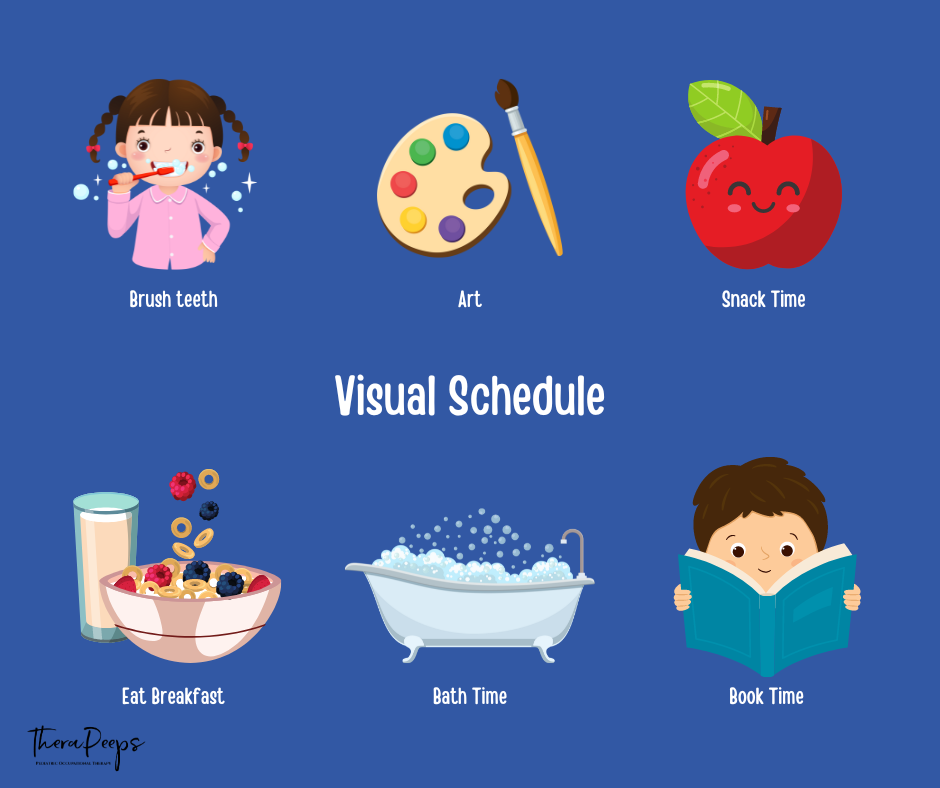
A visual schedule or routine chart can be a helpful tool for kids who thrive on knowing what’s next.
2. Keep fine motor skills fresh
Without school, kids often use their hands less for writing and cutting. Keep those little muscles working with playful activities like:
- Drawing treasure maps or sidewalk chalk scenes
- Making sticker art or peeling tape
- Using tongs or tweezers to pick up small objects
- DIY summer postcards to send to family
Bonus: If your child has been working on handwriting, set aside 5–10 minutes a few days a week to write letters, lists, or journal entries. Keep it low-stress and fun!
3. Build in sensory play
Sensory input helps regulate the nervous system, which supports attention, coordination, and emotional control. Summer is the perfect time to explore:
- Water play (sprinklers, buckets, squirt toys)
- Sand, dirt, or kinetic sand digging
- Homemade obstacle courses
- Messy art like shaving cream painting or finger painting
Sensory activities don’t have to be fancy, think about textures, movement, and how your child enjoys engaging with the world.
4. Focus on connection, not perfection
Therapy gains are rooted in real life practice — dressing, eating, playing, managing emotions. Every day is a chance to support your child’s development just by engaging in these routines with a little extra patience and intention.
If a task is tricky, break it down. Offer choices. Celebrate effort. And don’t worry if every day doesn’t go to plan. Consistency over time matters more than any one moment.

Want a simple way to stay on track?
We’ve created a free Summer Skills Tracker with:
- A flexible weekly routine template
- Goal check-ins
- Easy activity ideas
- Visual supports you can personalize
👉 [Download it here] to help your child stay engaged, without adding stress to your summer.
Final Thoughts
Summer doesn’t have to be all or nothing. Even a little intention each week can go a long way in helping your child maintain, and even build on, the progress they’ve made.
You’ve already laid the foundation. Let’s keep it going together.