The holidays are meant to be joyful, but they can feel surprisingly hard. If your child is suddenly: Your child isn’t misbehaving. Young children experience stress just like adults do. The difference is they don’t yet have the words or coping tools to explain how they’re feeling. Instead, stress shows up through behavior. Why the...
The holidays are here and if you’re doing some last-minute shopping, you’re not alone! If you’re wondering what gift your child will actually play with, especially if your child has special needs, this guide is for you. After more than 25 years as a pediatric occupational therapist, I’ve learned one thing: the best gifts aren’t...
(Part 2 of our Hand Manipulation Development Series) Between 6–12 months, your baby moves from simple grasping to intentional, coordinated hand skills. This stage is full of exploration — banging, transferring, dropping, poking, and picking up smaller items with more precision. But when certain skills don’t appear on time, it’s worth paying attention. These early...
Occupational therapy (OT) is founded on the belief that meaningful engagement in everyday activities, known as “occupations,” supports health, well-being, and participation. Although many modern OT services are provided in clinics or medical settings, the profession began with holistic practices that frequently incorporated the natural environment. The integration of nature-based interventions, often referred to as...
Thanksgiving is supposed to feel warm and joyful, but if you’re parenting a toddler who struggles with new people, loud environments, or routine changes, the day can quickly become a lot. Instead of enjoying the holiday, you may find yourself managing meltdowns, skipping parts of the celebration, or feeling torn between family expectations and your...
(Part 1 of our Hand Manipulation Development Series) Your baby’s hands are busy developing the building blocks for future skills, even when it looks like nothing more than grasping your finger. In these first six months, hand skills help set the stage for crawling, eating finger foods, playing with toys, and eventually learning to write....
As an occupational therapist, I often walk into private school classrooms where the buzz of children’s voices, the shuffle of papers, and the hum of fluorescent lights create an environment full of both opportunity and challenge. While academic goals take center stage, many students—especially those with developmental differences—struggle with regulation, engagement, and social participation. This...
As an occupational therapist trained in the DIR®/Floortime™ model, I often remind parents that social-emotional growth doesn’t happen through lessons or drills—it develops through relationships, play, and connection. When we meet children where they are, understand their unique sensory and motor needs, and engage in joyful interactions, we help them build the foundation for lifelong...
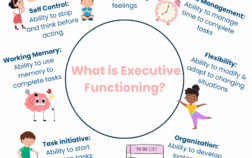
Executive functioning skills are like the “air traffic control system” of the brain. They help children: When a child has difficulties in these areas, daily routines like homework, getting ready for school, or following multi-step directions may feel overwhelming. How an OT Can Help Occupational therapists look at how executive functioning challenges affect your child’s...
Risky play – think climbing high, fast movements, and exhilarating challenges – is more than just fun; it’s a vital part of childhood development. It helps children learn, grow, and build well-being. However, for children with disabilities, opportunities for this beneficial type of play are often limited. A new study, “Expectations and Assumptions: Examining the...